Bathroom Tile: Styles, Installation & Care
As a seasoned design and remodeling professional, I know that bathroom tile is more than decoration; it's the foundation for durability, moisture control, and a lasting style. This guide helps you choose wisely and plan with confidence to achieve a bathroom that performs as well as it looks.
Choosing the right bathroom tile
Selecting bathroom tile means evaluating moisture exposure, slip resistance, ease of cleaning, and long term wear. Core choices include ceramic, porcelain, natural stone, and glass, each with distinct advantages and trade offs. For most baths, porcelain or ceramic are reliable workhorses, while glass accents add sparkle and depth. Consider how the tile will interact with fixtures, lighting, and your overall color story.
Common tile materials
Ceramic tile is affordable and versatile with a wide range of colors and textures. Porcelain tile is denser and less porous, making it ideal for floors and showers in damp climates. Natural stone adds warmth and character but requires sealing and ongoing maintenance. Glass tiles create reflective surfaces that brighten small spaces but can show water marks more readily. Each category includes variations in finish size and texture that influence feel and performance.
Sizes, patterns and layouts
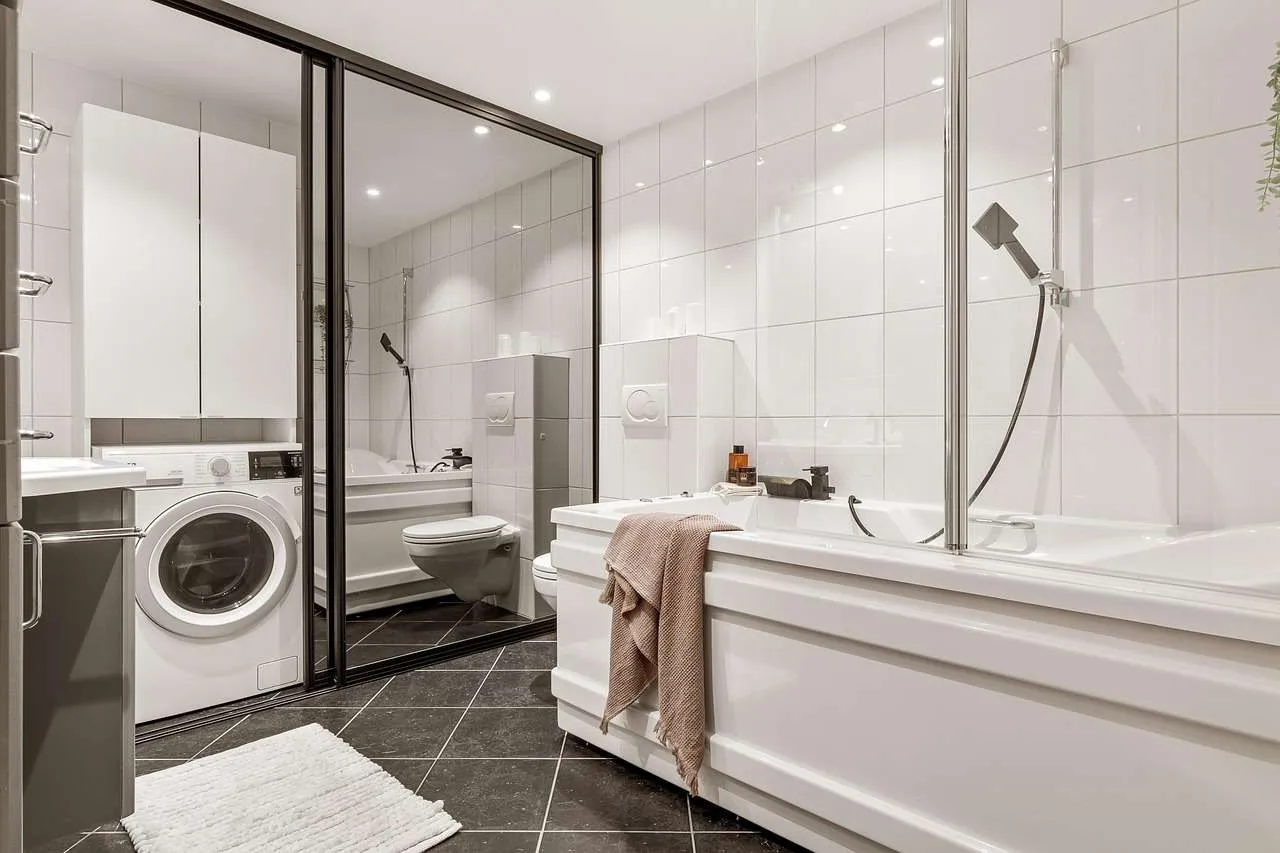
Large format tiles reduce grout lines and create a clean look, while mosaics or small formats excel for curved showers or backsplashes. Pattern choices like straight lay, diagonal, or herringbone influence the perceived size of a room. When combining wall and floor tiles, keep a visual rhythm by repeating a coordinating color or texture on both planes.
Installation essentials
Prep is critical in wet zones. Start with a solid substrate and a moisture barrier where required, then install a compatible backer board. Use thinset mortar appropriate for your tile type and substrate, and select sanded grout for larger joints. Leave expansion joints where walls meet floors and at room transitions. Seal natural stone as recommended and caulk around fixtures to allow for movement. Proper substrate and waterproofing guard against failures that are costly to repair later.
Maintenance and care
Clean with a mild, pH neutral cleaner to protect color. Wipe down doors and tiles after showers to reduce mildew buildup. Address grout discoloration promptly with gentle cleaning or regrouting when needed. Natural stone requires periodic sealing and resealing as advised by the supplier or installer, while porcelain and ceramic stay relatively low maintenance with regular mopping.
Table: Tile types comparison
| Tile Type | Durability | Maintenance | Cost | Ideal Areas |
|---|---|---|---|---|
| Ceramic | Moderate | Low | Low | Walls, backsplashes |
| Porcelain | High | Low | Medium | Floors, showers |
| Natural Stone | High | High (sealing) | High | Bathrooms, accents |
| Glass | Moderate | Low | High | Showers, accents |
Design ideas and trends
Pair large porcelain floor tiles with glass or ceramic wall tile for contrast. Wood look ceramic or stone look porcelain can warm a space with minimal upkeep. For bathrooms that feel calm and spa like, choose light neutrals with a touch of soft texture in the tile or a subtle accent stripe.
Cost planning and hiring
Budget should cover tile, substrate, waterproofing, adhesive, grout, sealant, tools, and labor. In many projects, hiring a licensed installer ensures proper waterproofing and precise alignment. If you DIY, plan for the right safety gear and follow manufacturer instructions closely, especially in wet zones.
Conclusion, by understanding materials, layouts, prep work, and maintenance, you can select bathroom tile that lasts and looks great for years to come. Focus on durable surfaces for wet zones, balanced aesthetics for living areas, and realistic upkeep in your plan.